

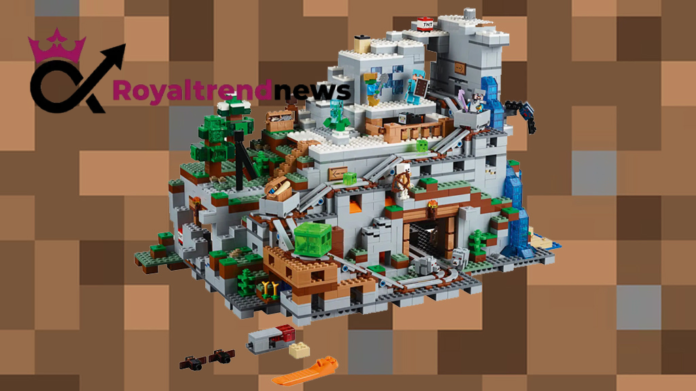
If you have ever stood in the Lego aisle staring at a wall of Minecraft boxes, you know the problem. Every set promises something different, the prices jump around for reasons that are not always obvious, and the piece counts on the front don’t always tell you what you are actually getting. This guide breaks down how Minecraft Lego sets stack up against each other, so you can figure out which one is actually worth your money.
Why Minecraft Lego Sets Are Still So Popular
Minecraft has been around for well over a decade, and the game still pulls in a massive audience of kids, teens, and adults who grew up mining blocks and fighting creepers. Lego’s Minecraft line taps directly into that audience by turning the game’s blocky visual style into physical bricks. It’s a strange but effective combination. The pixelated look of Minecraft actually translates really well into Lego’s brick based building system, which is part of why this theme has stuck around instead of fading out like some licensed sets do.
The sets also work for a wide range of ages. Younger kids like the simple ones with a mob or two and a small scene. Older fans and collectors go for the bigger builds that recreate specific biomes or in game locations. That range is a big reason the line keeps expanding every year.
What Makes These Sets Different From Regular Lego
A normal Lego set is built around smooth curves, technic pieces, or detailed minifigure scenes. Minecraft sets flip that idea. Everything is intentionally blocky, right down to the trees, animals, and even the water and lava. Instead of realistic sculpting, you get cube shaped pigs, square trees, and chunky mob figures that look like they walked straight out of the game.
This changes how you should judge a set. A high piece count does not always mean more detail, because a lot of those pieces are simple one by one bricks used to build terrain. A smaller set with clever piece use can sometimes look better on a shelf than a bigger one padded out with basic blocks.
How These Sets Get Compared
To make sense of pricing, most fans and reviewers look at price per piece. You take the retail price and divide it by the number of pieces in the box. It’s not a perfect measure since some pieces are tiny and others are large decorative elements, but it gives you a rough sense of value.
Across the Minecraft Lego line, sets built for younger players tend to land around 8 to 13 cents per piece. That is a bit higher than some other Lego themes, mostly because Minecraft sets are shorter builds aimed at quick, satisfying play rather than long, technical construction sessions. Larger sets aimed at collectors usually bring the price per piece down, though not always, since display focused sets sometimes carry a premium for exclusive figures or unique molds.
Small and Budget Friendly Sets
At the lower end, you’ll find starter sets priced around ten to fifteen dollars. These are usually built around a single scene, like a mob encounter or a tiny biome snippet, and they come with one or two minifigures.
A recent example is a small biome themed set priced under ten dollars with under 80 pieces, aimed squarely at younger builders who want a quick win rather than a long project. Slightly larger budget sets in the fifteen dollar range typically bring the piece count closer to 190 to 200, often including an exclusive minifigure not found anywhere else in the wave.
These are good picks if you’re buying for a younger child, filling a stocking, or just want a low commitment way to try the theme before investing in something bigger. They are quick to build, which keeps kids from losing interest halfway through.
Mid Range Sets Worth Considering
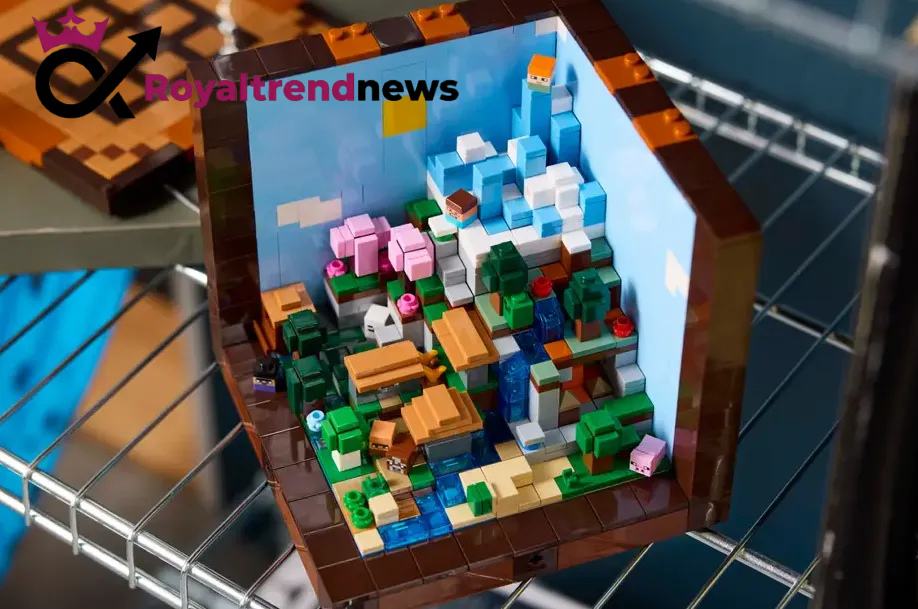
The middle of the lineup is where most of the interesting builds live. Sets in the thirty to sixty dollar range usually pack in 400 to 600 pieces and often center around a specific location from the game, like a village structure, a nether encounter, or a redstone themed build.
Older releases in this range have held up well over time. A set built around a witch’s hut, for example, came in around 500 pieces, while a redstone themed battle set landed in a similar range. These sets tend to balance build time, play value, and shelf appeal better than either the cheapest or the most expensive options.
If you’re shopping for someone who already knows they like Minecraft and wants something a bit more involved than a ten minute build, this price range is usually the sweet spot.
Larger and Premium Sets
At the top of the lineup, prices climb past sixty dollars, and piece counts can reach into the thousands for the biggest releases. These sets are aimed at serious collectors or older builders who want a genuine display piece rather than something meant for regular play.
Some of the largest sets released over the years have topped 2,500 pieces, built around sprawling scenes like a full village or a cave system. More recent premium releases sit closer to 450 to 500 pieces but charge a higher per piece price, often because they include a rare figure, a new mold, or added detail work that smaller sets skip.
The trade off here is straightforward. You’re paying more per piece, but you’re usually getting a set that looks better assembled and holds its value better if you ever plan to resell it.
A Simple Way to Compare Value
When you’re standing in front of a few different boxes, a quick mental checklist helps more than staring at the price tag alone.
Start with price per piece. Divide the cost by the piece count. Anything under 10 cents per piece is generally solid value. Anything creeping toward 13 or 14 cents should come with a reason, like an exclusive figure or unusual build.
Then check the minifigure count. Some sets pack in two or three figures you can’t get anywhere else, which adds real value beyond the brick count alone.
Finally, think about who’s building it. A high piece count sounds impressive, but if it’s mostly repetitive terrain bricks, a younger builder might lose patience halfway through. A smaller, more focused set often makes for a better experience for a first time builder.
Which Set Should You Actually Buy
For a young child just getting into building, a small ten to fifteen dollar set is the safer bet. It’s quick, satisfying, and won’t sit half finished on a shelf.
For someone who already knows Minecraft well and wants a proper project, a mid range set in the thirty to fifty dollar range hits the best balance of build time and payoff.
For collectors or anyone building a display shelf, one of the larger premium sets is worth the extra cost, especially if it includes a figure or feature you can’t get in a smaller box.
And if you’re buying as a gift and you’re not totally sure what the person already owns, a mid range set is almost always the safest choice. It’s big enough to feel like a real gift, without the risk of overspending on something that ends up gathering dust.
Final Thoughts
There’s no single “best” Minecraft Lego set, because the right pick really depends on age, budget, and how much time someone wants to spend building. What matters more is understanding how these sets are priced and what you’re actually getting for that price. Once you know how to read piece counts, minifigure value, and price per piece, picking the right set becomes a lot less like guesswork and a lot more like making an informed choice.
Prices and lineups shift throughout the year as new waves release and older sets get retired, so it’s worth checking current listings before you buy, especially if you’re chasing a specific set that might be nearing the end of its run.
FAQs
How much do Minecraft Lego sets usually cost?
Prices typically start around ten dollars for small starter sets and climb past sixty dollars for larger, more detailed builds. Where a set falls in that range usually comes down to piece count and whether it includes exclusive minifigures.
Are bigger Minecraft Lego sets always the better buy?
Not necessarily. A high piece count often includes a lot of simple terrain bricks rather than detailed elements, so a smaller set can sometimes offer better value or a more satisfying build than a larger one.
What age group are these sets best suited for?
It varies by set. Smaller builds with fewer pieces work well for younger kids just starting out, while larger, more complex sets are better suited to older kids, teens, and adult collectors who want a bigger project.
Is price per piece a reliable way to judge a set?
It’s a useful starting point, but not a perfect one. Some pieces are tiny basic bricks while others are larger detailed elements, so price per piece should be considered alongside minifigure count and overall build quality.
Do Minecraft Lego sets hold their value over time?
Larger and retired sets tend to hold value better, especially ones with unique molds or figures that aren’t reused in later releases. Smaller, common sets usually don’t appreciate much since they’re easier to find and replace.