

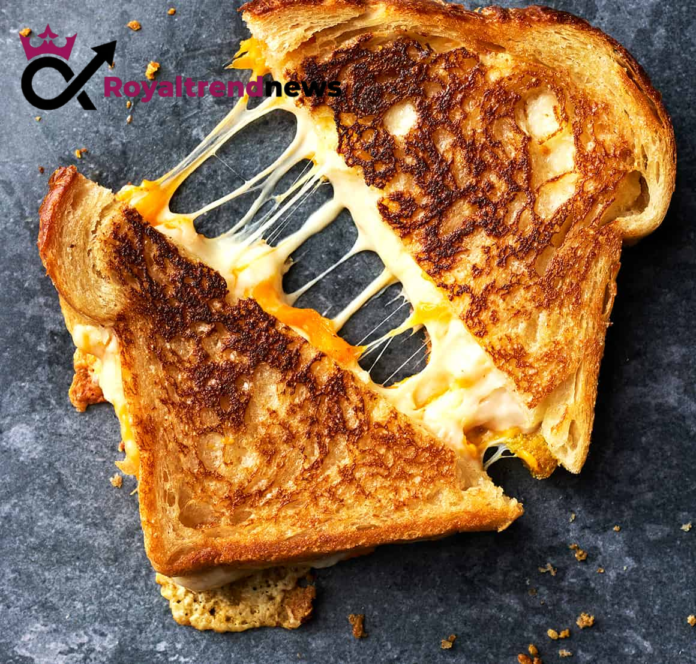
There’s a specific kind of disappointment that comes from flipping a cheese toastie and watching it collapse. The bread splits, the cheese runs out onto the pan, and what should have been a crisp, golden sandwich turns into a sad, soggy mess you have to eat with a fork. If this has happened to you more than once, you’re not doing anything wrong exactly, you just haven’t been shown the handful of small details that actually hold a toastie together.
This isn’t about a fancy recipe or expensive ingredients. It’s about understanding what’s really happening to the bread and cheese while they cook, and adjusting a few habits so the whole thing stays in one piece from pan to plate.
Why Toasties Actually Fall Apart
Before fixing the problem, it helps to know what’s causing it. Most toasties collapse for one of four reasons, and often it’s a combination of all of them at once.
The first is overfilling. It’s tempting to pile on cheese, but bread can only hold so much weight and moisture before it gives up. The second is bread that’s too soft or too thin to begin with, since a flimsy slice has nothing to push back against the filling. The third is heat that’s off in either direction. Too high and the outside burns while the inside stays cold and unmelted, so nothing binds together. Too low and the bread sits there absorbing butter and steam until it turns soggy and weak. The fourth reason is timing. Cutting into a toastie the second it comes off the heat means the cheese hasn’t had a moment to settle, so it spills out the second the knife touches it.
Once you see these as separate, fixable issues, the whole process gets a lot less frustrating.
Bread Choice Matters More Than People Think
A lot of toastie advice jumps straight to the cheese, but the bread is doing the structural work. Soft sandwich bread might be fine for a quick lunch sandwich, but under heat and melted cheese it tends to buckle. A sturdier loaf, something like a good sourdough or a dense white bakery bread, holds its shape far better because it has more structure to begin with.
Think of the bread as the frame of the sandwich. If the frame is weak, it doesn’t matter how well you handle everything else, the toastie was never going to hold. Slightly thicker slices also help here, since a thin slice has less to work with once it starts absorbing heat and moisture from the melting cheese.
Butter Isn’t Just for Flavor
Buttering the outside of the bread does more than add taste. As it cooks in the pan, that layer of butter fries into a light crust, and that crust is part of what keeps the sandwich from falling apart. It creates a barrier that’s slightly stiffer and more structured than plain bread.
Some people swap butter for a thin layer of mayonnaise on the outside instead, since mayonnaise has a higher smoke point and can produce an even crispier finish. Either way, don’t skip this step or apply it too thinly. A properly buttered exterior is one of the simplest things you can do to keep everything intact.
Getting the Cheese Amount Right
More cheese doesn’t automatically mean a better toastie. Piling it on past a certain point means the bread has to fight against too much weight and too much melted liquid, and it will lose that fight nearly every time. A good rule of thumb is to use enough cheese to fully cover the bread in a single, even layer, without stacking multiple layers on top of one another.
Shredded or thinly sliced cheese also melts more evenly and quickly than one thick slab, which matters because you want the cheese to melt through fully before the bread outside is done cooking. Food scientists who’ve studied melting cheese have pointed out that structure at the protein level plays a real role here. Cheese melts because calcium bonds holding its proteins together loosen under heat, letting fat and moisture move more freely. Cheeses with a good balance of moisture and fat, like cheddar, gruyere, or a young gouda, tend to melt smoothly rather than turning greasy or clumping into an oily mess. Very hard, aged cheeses can be trickier since they sometimes separate rather than melt into a smooth pool, which can add extra moisture to the sandwich at the wrong moment.
Low and Slow Beats Hot and Fast
This is probably the single most important habit to change if your toasties keep falling apart. A hot pan gives you a fast, dramatic sizzle, but it also races ahead of the cheese. The bread browns and hardens on the outside long before the inside has had a chance to melt properly. That mismatch is exactly what causes a toastie to crack open when you flip or cut it, since the outside has already set into its final shape while the inside is still cold and unstable.
Cooking at a lower, more patient heat gives the cheese time to melt all the way through at roughly the same pace the bread toasts. It takes a few extra minutes, but the payoff is a sandwich where everything moves together instead of fighting itself. If you notice the bread browning quickly but the cheese barely melted when you peek inside, that’s a clear sign the heat needs to come down.

Chefs and food writers who focus on grilled sandwiches consistently point to the same fix: cooking slowly enough that the exterior and interior finish at the same time. It sounds almost too simple to matter, but it’s one of the most reliable ways to prevent a toastie from splitting apart mid-cook.
The Resting Step Everyone Skips
Once the toastie comes off the heat, the cheese inside is still very hot and completely liquid. Cutting into it immediately means that liquid has nowhere to go except straight out onto your plate or cutting board, taking structural integrity with it. Giving the sandwich just one or two minutes to rest lets the cheese cool slightly and thicken back up, so it holds together instead of running out the moment you cut through the bread.
This step costs you almost nothing in terms of time, but it’s the difference between a clean, sliceable sandwich and one that falls apart the second you touch it.
Putting It All Together
None of these fixes are complicated on their own, but they work together. Start with bread that has enough structure to hold up under heat. Butter the outside properly so it forms a light crust as it cooks. Use a reasonable, even amount of cheese rather than overloading the sandwich. Cook it slowly enough that the inside and outside finish at roughly the same time. And give it a short rest before you cut in.
Quick Recap
- Choose a sturdier bread, not a soft, thin slice
- Butter or lightly coat the outside for a crisp exterior
- Keep the cheese to one even layer, not several stacked on top
- Cook on low to medium heat so the inside melts before the outside burns
- Let it rest for a minute or two before cutting
A Simple Version to Try
Butter two slices of a sturdy bread on one side each. Layer a moderate amount of shredded or thinly sliced cheese, ideally something like cheddar or gouda, between the unbuttered sides. Cook in a pan over medium-low heat for a few minutes per side, pressing down gently, until both sides are golden and the cheese has fully melted through. Let it sit for a minute before cutting.
Once you get the balance right between bread, cheese, and heat, a cheese toastie stops being something you hope holds together and becomes something you can count on every time.
Frequently Asked Questions
Why does my cheese toastie always leak cheese? This usually comes down to overfilling or cutting too soon. Too much cheese has nowhere to go but out, and slicing into the sandwich while the cheese is still fully liquid lets it spill before it has a chance to set.
What’s the best bread for a toastie that holds its shape? A sturdier loaf like sourdough or a dense bakery bread works better than soft sandwich bread. It has more structure to begin with, so it doesn’t buckle once it’s holding melted cheese.
Should I cook a toastie on high heat to save time? No, that’s usually what causes it to fall apart. High heat browns the bread before the cheese has fully melted, so the two never finish at the same pace and the sandwich splits when you flip or cut it.
Does the type of cheese actually make a difference? Yes. Cheeses like cheddar, gouda, and gruyere melt smoothly because of their fat and moisture balance, while very hard or overly aged cheese can separate or turn oily instead of melting evenly.
Why does resting the toastie before cutting matter? Right off the heat, the cheese inside is still completely liquid. Giving it a minute or two to cool slightly lets it thicken back up, so it holds together instead of running out the moment you slice in.
Final Thoughts
A cheese toastie falling apart isn’t bad luck, it’s usually just one small thing thrown off, whether that’s the bread, the heat, or cutting in too soon. None of the fixes here require any special skill or equipment, just a bit more patience and a little attention to what’s actually happening in the pan. Once these habits become second nature, you’ll stop treating a good toastie as something you got lucky with and start treating it as something you know how to make, every single time.